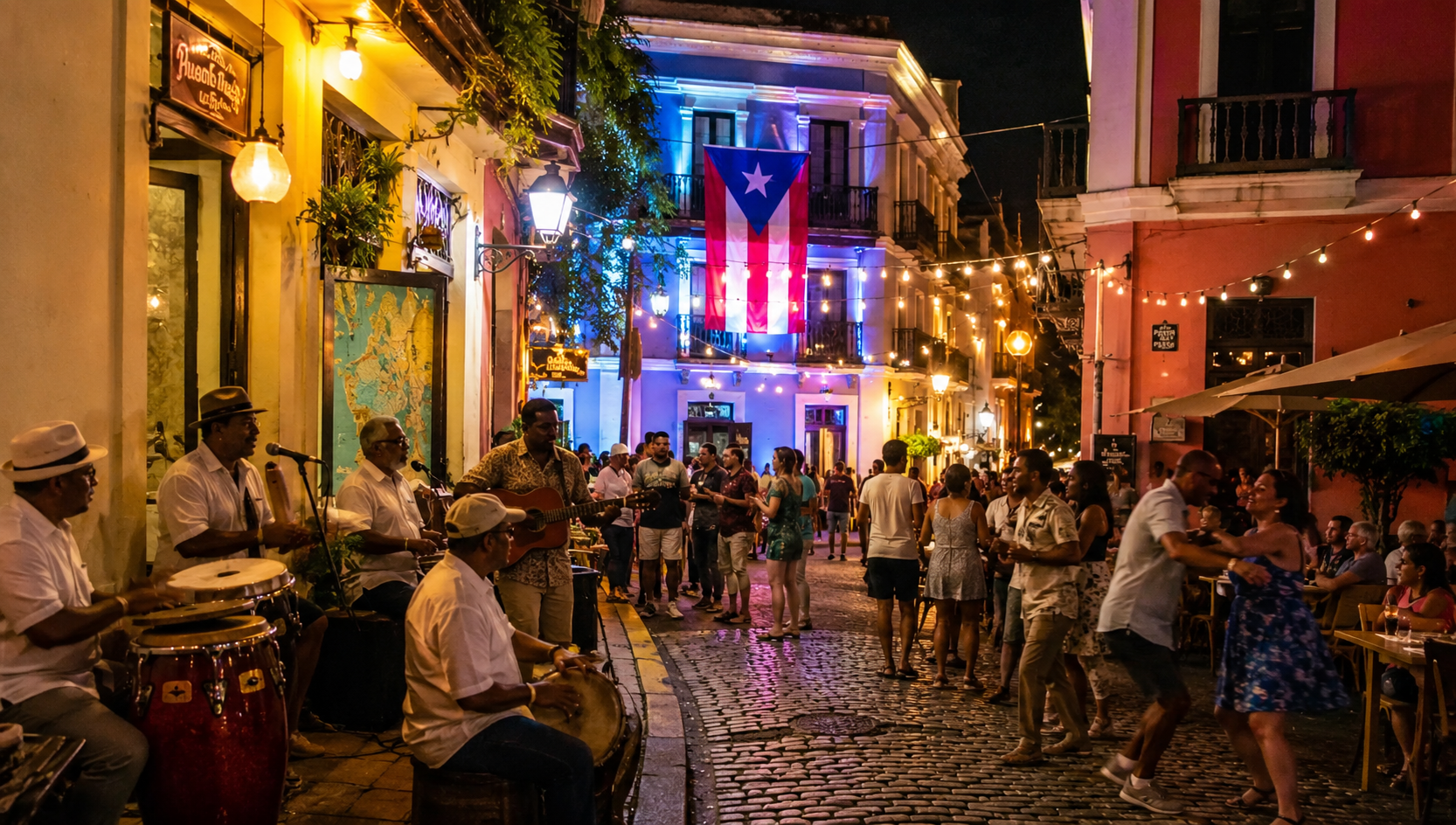
Walk through any street in Puerto Rico—whether it’s the colorful alleys of San Juan or a quiet coastal town—and you’ll feel it instantly. The music, the food, the conversations, the rhythm of daily life… it all feels deeply alive. But here’s the truth most people overlook: this vibrant culture didn’t just happen—it was shaped over centuries.
Puerto Rico’s identity is a living story. Every tradition, every dish, every beat of music carries echoes of the past. Understanding this connection doesn’t just make you more informed—it transforms how you experience the island. It turns everyday moments into meaningful ones and helps you see why Puerto Rico remains one of the most culturally rich destinations in the Caribbean.
What Defines Puerto Rican Culture Today?
What Makes Puerto Rico’s Culture Unique Compared to Other Places?
Puerto Rico’s culture is a powerful blend of influences that coexist in everyday life. Language is one of the most visible examples—Spanish dominates daily communication, but English is widely used, especially in business and education. This duality reflects a deeper cultural balance between tradition and modern influence.
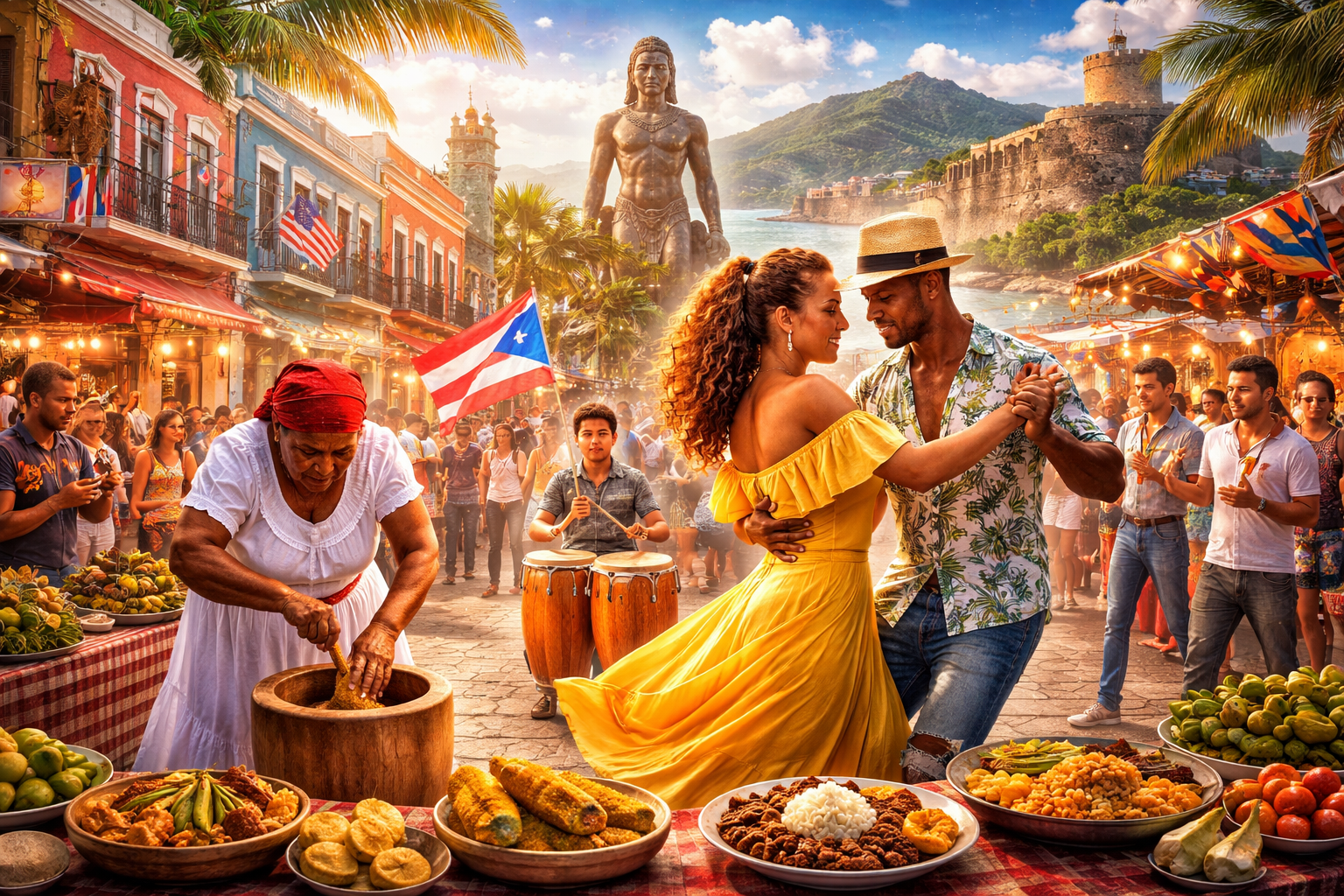
Beyond language, culture is expressed through music, food, festivals, and strong family values. The island thrives on connection—neighbors know each other, families gather often, and celebrations are shared experiences. This sense of unity is what makes Puerto Rico’s culture feel so warm and welcoming.
Why Culture in Puerto Rico Is Always Evolving
Unlike static traditions, Puerto Rican culture continues to evolve. New generations are blending historical influences with modern trends like digital media, global music, and entrepreneurship. This constant evolution keeps the culture relevant while still honoring its roots.
How Taíno Heritage Still Influences Puerto Rico Today
Who Were the Taíno and Why Do They Still Matter?
Before colonization, Puerto Rico was home to the Taíno people, whose influence remains deeply embedded in the island’s identity. They introduced agricultural practices, natural resource use, and a deep respect for nature that still resonates today.
Many everyday words—like “hamaca” (hammock) and “barbacoa”—originate from the Taíno language. Their legacy lives on in subtle but powerful ways.
Where You See Taíno Influence in Daily Life
From foods like yuca and cassava to symbolic art and crafts, Taíno culture is still visible. Even the island’s connection to nature—beaches, forests, and mountains—is tied to this heritage.
How Spanish Colonization Shaped Puerto Rico’s Language, Religion, and Cities
Why Spanish Influence Still Defines Puerto Rico
Spain ruled Puerto Rico for over 400 years, leaving a lasting impact on language, religion, and architecture. Spanish became the primary language, and Catholic traditions shaped many of the island’s festivals and customs.
Where You Can Still See This Influence Today
Walk through Old San Juan, and you’ll see cobblestone streets, colorful colonial buildings, and historic forts that reflect Spanish design. These elements are not just tourist attractions—they’re part of everyday life.
The African Influence: The Rhythm Behind Puerto Rico’s Culture
How African Heritage Shaped Music and Identity
African influence entered Puerto Rico through the transatlantic slave trade, bringing with it rhythms, traditions, and cultural expressions that transformed the island’s identity. Music genres like bomba and plena originated from this heritage and remain central to Puerto Rican culture.
Why This Influence Is Still So Strong Today
Music is more than entertainment—it’s storytelling. Through rhythm and dance, African heritage continues to shape how Puerto Ricans express joy, struggle, and resilience.
How U.S. Influence Changed Puerto Rico’s Modern Lifestyle
What Changed After Puerto Rico Became a U.S. Territory?
When Puerto Rico became a U.S. territory, it introduced new systems in education, governance, and economy. English became more prominent, and American cultural elements began to blend with local traditions.
Why This Dual Identity Is Unique
Today, Puerto Rico balances two worlds—maintaining its Latin roots while embracing aspects of American culture. This combination creates a lifestyle that is both familiar and distinct.
Migration and diaspora: the role of movement in shaping Puerto Rican culture
How Migration Influenced Identity
Puerto Ricans have long moved between the island and the mainland United States, creating a cultural exchange that continues today. This movement has influenced music, language, and even food.
Why This Makes Culture More Dynamic
The result is a hybrid identity that evolves constantly. Traditions are preserved, but new influences are always being added.
Why Puerto Rico’s Festivals Reflect Its History and Identity
How Festivals Tell the Story of the Island
Festivals in Puerto Rico are not just celebrations—they are living history. Events like the San Sebastián Street Festival bring together music, art, and traditions rooted in centuries of cultural evolution.
Why Festivals Feel Like the Heartbeat of the People
These gatherings represent more than entertainment—they reflect community, resilience, and pride. They are the Heartbeat of the people, where history and modern life come together.
Music & Dance: How Puerto Rico’s Sound Evolved Over Time
What Makes Puerto Rican Music Unique?
Puerto Rico’s music is a fusion of Taíno, African, Spanish, and modern influences. From traditional bomba and plena to global reggaeton, each genre tells a story of cultural evolution.
Why Music Is Central to Everyday Life
Music is everywhere—in homes, cars, festivals, and even casual gatherings. It connects people across generations and keeps cultural traditions alive.
Puerto Rican Food Culture: A Blend of History on Every Plate
How History Shapes What Puerto Ricans Eat
Puerto Rican cuisine reflects its multicultural roots. Spanish techniques, African flavors, and Taíno ingredients come together in dishes like mofongo and arroz con gandules.
Why Food Is More Than Just Nutrition
Food is about family, tradition, and connection. Meals are shared experiences that strengthen relationships and preserve culture.
How Architecture Reflects Puerto Rico’s Cultural Evolution
What Makes Puerto Rican Cities Unique?
Architecture across Puerto Rico reflects different historical periods. Colonial buildings coexist with modern developments, creating a visual timeline of the island’s history.
Why This Matters for Locals and Visitors
Understanding architecture helps you see the island differently—not just as a place to visit, but as a story to explore.
How Natural Disasters Shaped Puerto Rico’s Resilience and Culture
How Events Like Hurricane Maria Changed the Island
Hurricane Maria in 2017 had a profound impact on Puerto Rico, affecting infrastructure and communities across the island. However, it also revealed the strength and unity of its people.
According to the National Oceanic and Atmospheric Administration, Hurricane Maria caused an estimated $90 billion in damage, making it one of the most devastating storms in U.S. history.
Why Resilience Is Now Part of the Culture
Communities came together to rebuild, reinforcing a culture of support and solidarity that continues today.
Why Puerto Rico Is One of the Most Unique Places to Experience Culture
What Makes Puerto Rico Different From Other Destinations?
Few places in the world combine so many cultural influences into one identity. Puerto Rico’s culture is layered, dynamic, and deeply rooted in history.
Why Locals Experience Culture Differently
For residents, culture isn’t something you visit—it’s something you live every day. From music to food to festivals, it’s part of everyday life.
How Puerto Rico’s Culture Continues to Evolve Today
What Role Do Younger Generations Play?
Younger generations are redefining Puerto Rican culture through music, art, and digital platforms. They are preserving traditions while introducing new ideas.
Why This Keeps Culture Alive
Culture remains vibrant because it adapts. It grows with each generation while staying connected to its roots.
Why Understanding History Makes You Appreciate Puerto Rico More
How History Enhances Everyday Experiences
When you understand the past, everything becomes more meaningful. A song, a dish, or a festival suddenly has deeper significance.
Turning Everyday Moments Into Cultural Experiences
Even a simple walk through the city becomes richer when you recognize the history behind it.
If you’re exploring more cultural experiences and planning your journey across the island, platforms like Enmipatiopr can guide you through the best Places to go in Puerto Rico while also helping you discover authentic local stories.
Travel Smarter: Experiencing Culture Beyond the Surface
To fully experience Puerto Rico, you need more than just a list of attractions. You need context, understanding, and a willingness to explore deeper.
Whether you’re planning weekend outings or longer stays, exploring options like Places to stay Puerto rico can help you immerse yourself in different regions and cultural experiences across the island.
Conclusion: Puerto Rico’s Past Is Still Alive Today
Puerto Rico’s culture is not just history—it’s a living, breathing experience that continues to evolve every day. From Taíno roots to modern influences, every layer adds depth and meaning to the island’s identity.
Understanding this journey allows you to connect more deeply with the places you visit, the food you eat, and the people you meet. And as you continue exploring, keep an eye on Upcoming Events that celebrate this culture in real time—because in Puerto Rico, the past is never gone. It’s always part of the present.